
01 · Product Discovery
value.
01 · Product Discovery
value.
The shopper recognises worth before price is shown. Intent forms in the hand, not on the tag.
01 / 08

Seven of every ten carts walk away. Not because the buyer didn’t want it — because the price couldn’t bend.
After a year of deconstructing the relationship between empathy and commerce, we’ve noticed one thing — it’s fake.
We’ve filed a provisional patent for our methodology, rooted in IA — Intentional Access — and we’re working in the lab to take this from solution to scalability.
The buyer names what it’s worth. The seller sets the floor. Paytio is the quiet lens where all three meet — the geometry of an agreement, drawn before the price.
So what would a sale look like if the price could bend?
The floor — cost of goods plus 10% margin held — sits at $34. Anything above that is profit. $66 isn’t a discount. It’s a sale that would have walked.
Eight moments of the checkout funnel. One agreement. Hover any tile — the fix lives inside.
The shopper recognises worth before price is shown. Intent forms in the hand, not on the tag.

Money is already willing. The cart records desire — but says nothing about the price they would actually pay.

List price meets internal floor. Doubt enters here — the same doubt that ends 17% of carts.

Every shopper sits somewhere on a price curve. Negotiation replaces the wall — no account required to make an offer.
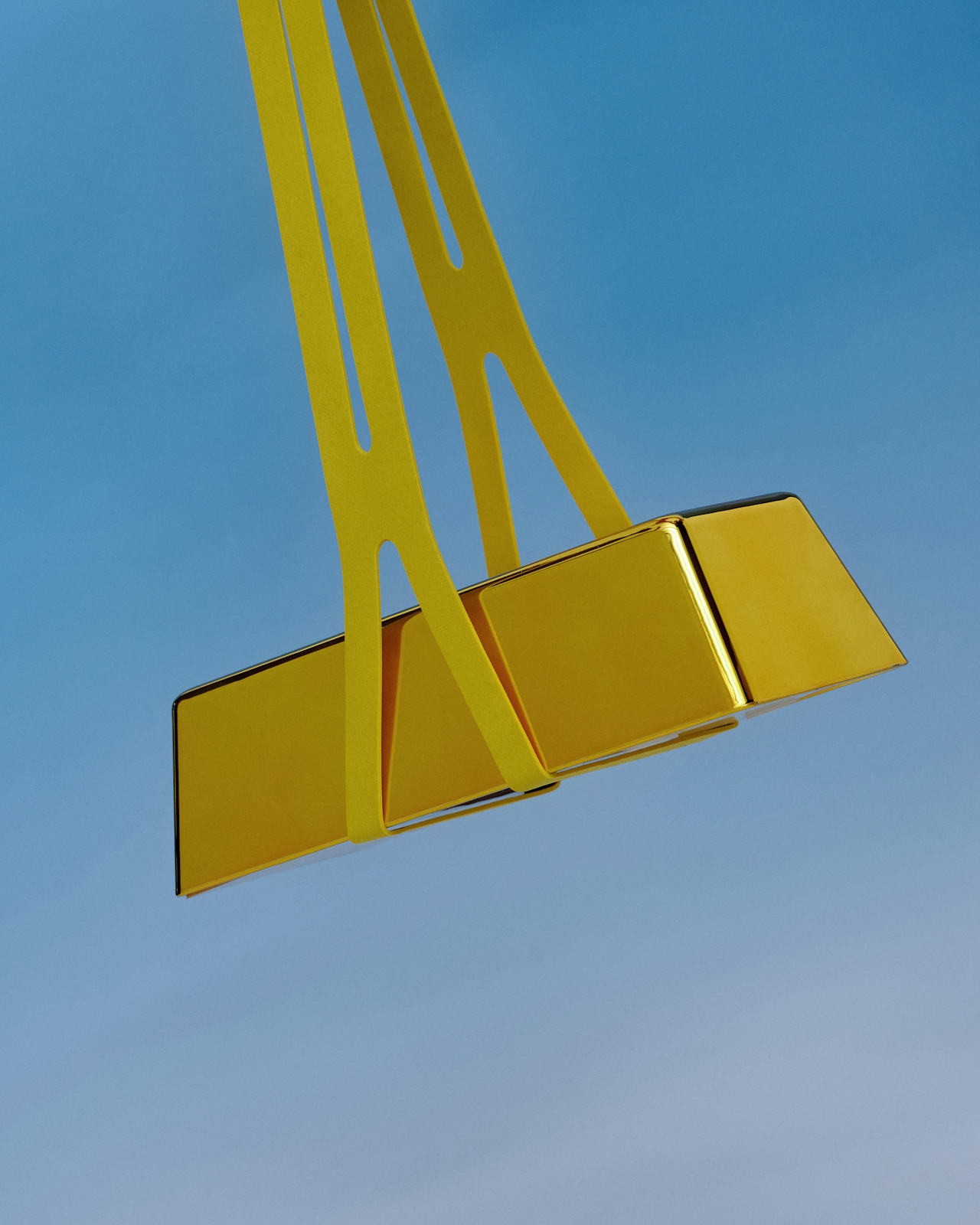
The biggest abandonment trigger. When the total spikes, Paytio opens the floor instead of forcing the price.

One tap to counter, one tap to accept. The card stays in their hand — the flow stays out of the way.
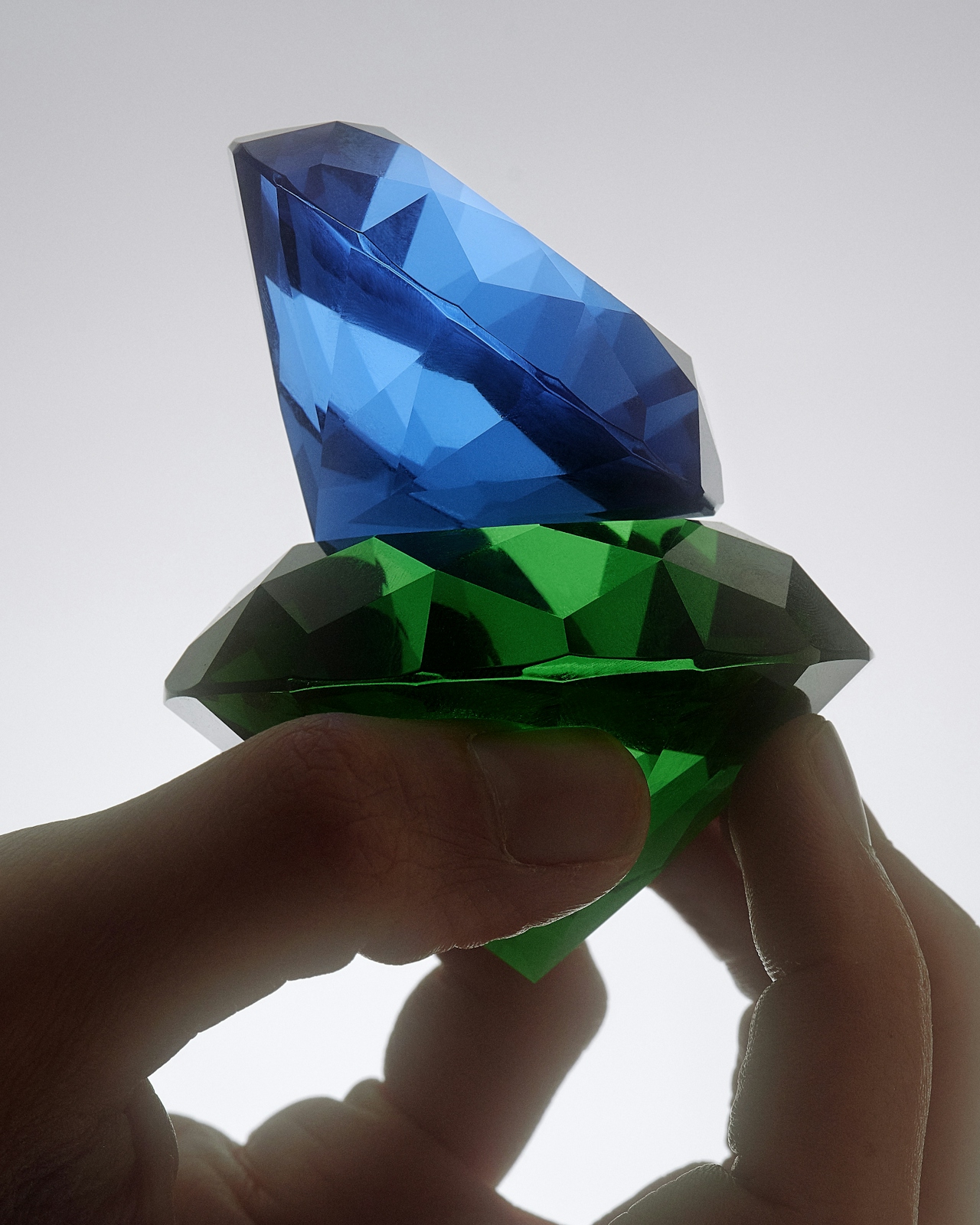
Both values stacked, neither crushed. Terms can flex — including timing — so a willing buyer doesn't walk over a date.
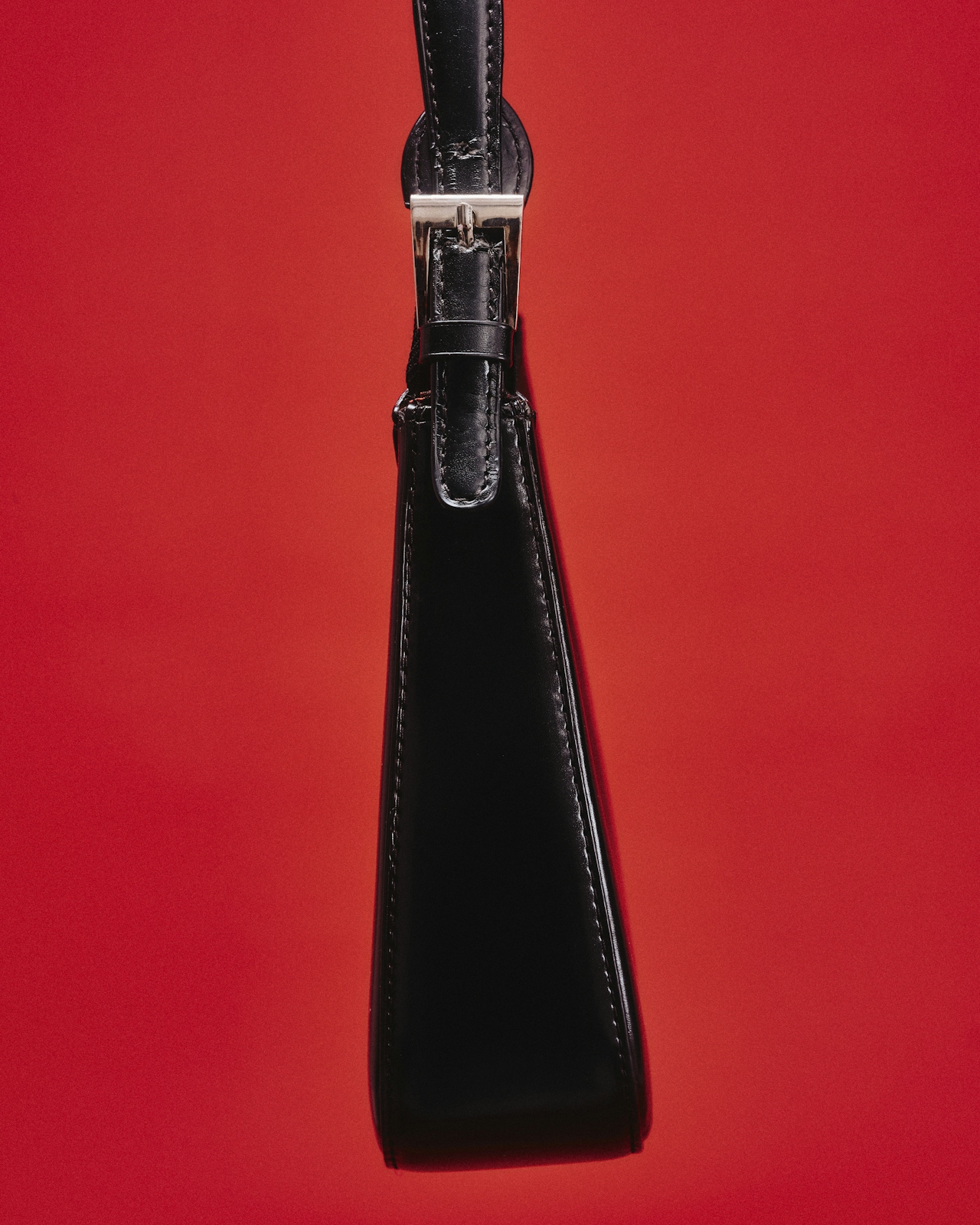
A clasp, not a concession. Margin held, trust earned, and the cart that would have walked, completes.
It didn’t feel like she got away with something. It felt like they agreed.
No newsletter. No noise. One message, when the door opens.